No products in the basket.
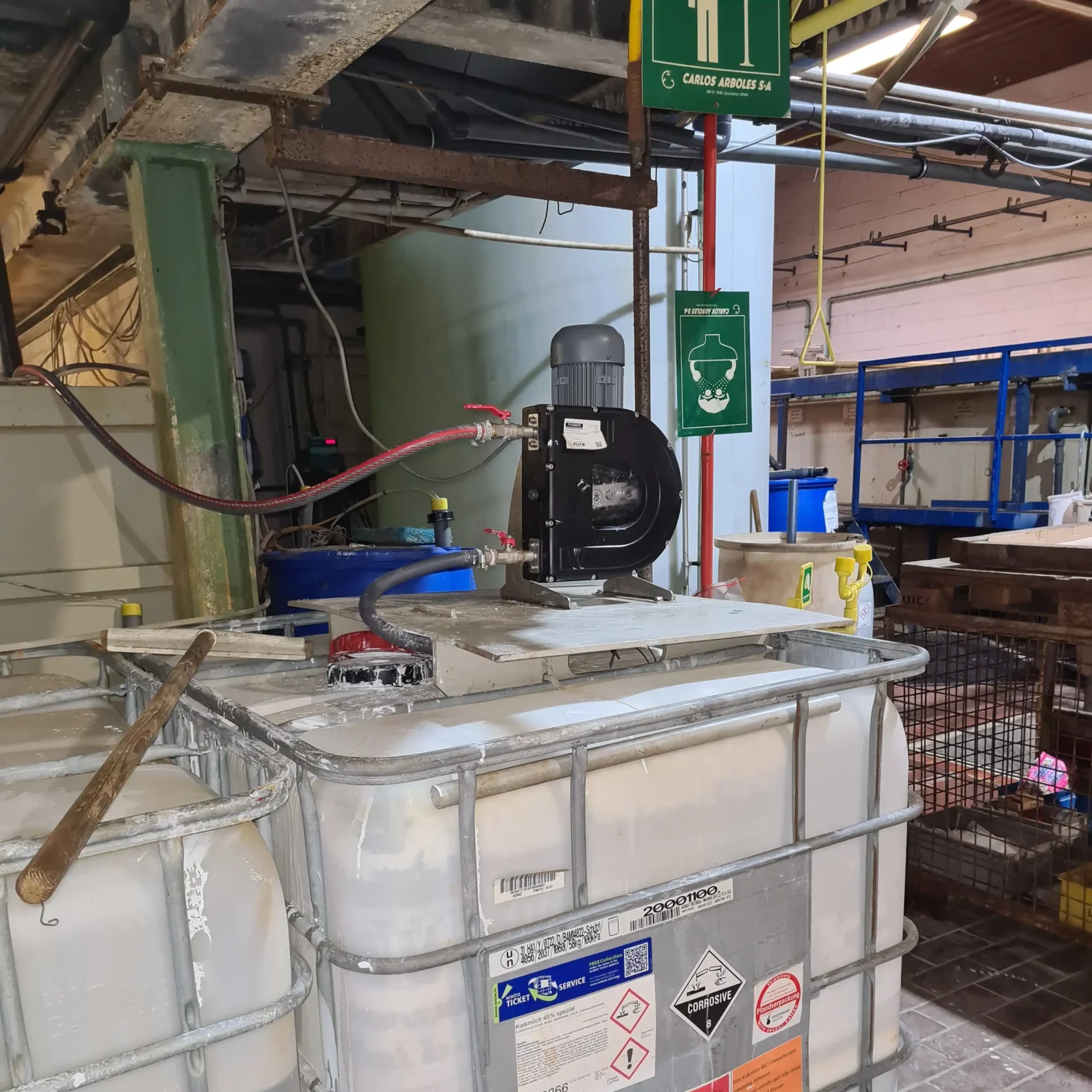
FHP Series Peristaltic pumps from Flux are a state-of-the-art solution for fluid handling. These self-priming, positive displacement pumps are engineered to deliver reliable performance even under the most challenging operating conditions. Designed specifically for handling abrasive, viscous, or solids-entrained media, Flux peristaltic pumps deliver a controlled, low-shear pumping action that preserves the integrity of sensitive fluids while ensuring consistent flow rates.
These pumps are suitable for a wide range of non-flammable media – with viscosities up to 20,000 mPas, solid particles up to 40% of the hose diameter and dry matter content up to 25%. Moreover, their robust, twin-roller construction, combined with ease of maintenance, ensures minimal downtime and a prolonged service life. They are ideal for wastewater management, sludge handling, biogas production and slurry transfer applications.
Furthermore, the pump's class-leading energy consumption and precision engineered motors deliver significant cost savings when compared to competing pump technologies. And optional frequency converters enable precise volumetric control, for accurate metering and dispensing.

Flux FHP series peristaltic pumps are engineered to meet the rigorous demands of tough slurry and industrial waste pumping applications. Below are the key technical specifications:
| Model | Flow Rate (at 50 rpm) | Operating Pressure | Motor Power | Hose Diameter | Housing Material | Weight |
|---|---|---|---|---|---|---|
| FHP-10 | 150 l/h | 5 bar | 0.37 kW | 10 mm | Polypropylene | 25 kg |
| FHP-15 | 330 l/h | 5 bar | 0.37 kW | 15 mm | Polypropylene | 25 kg |
| FHP-25 | 1,000 l/h | 5 bar | 0.37 kW | 25 mm | Steel/ Stainless Steel | 65 kg |
| FHP-50 | 6,200 l/h | 5 bar | 1.5 kW | 50 mm | Steel/ Stainless Steel | 180 kg |
| FHP-100 | 40,000 l/h | 10 bar | 7.5 kW | 100 mm | Steel/ Stainless Steel | 700 kg |
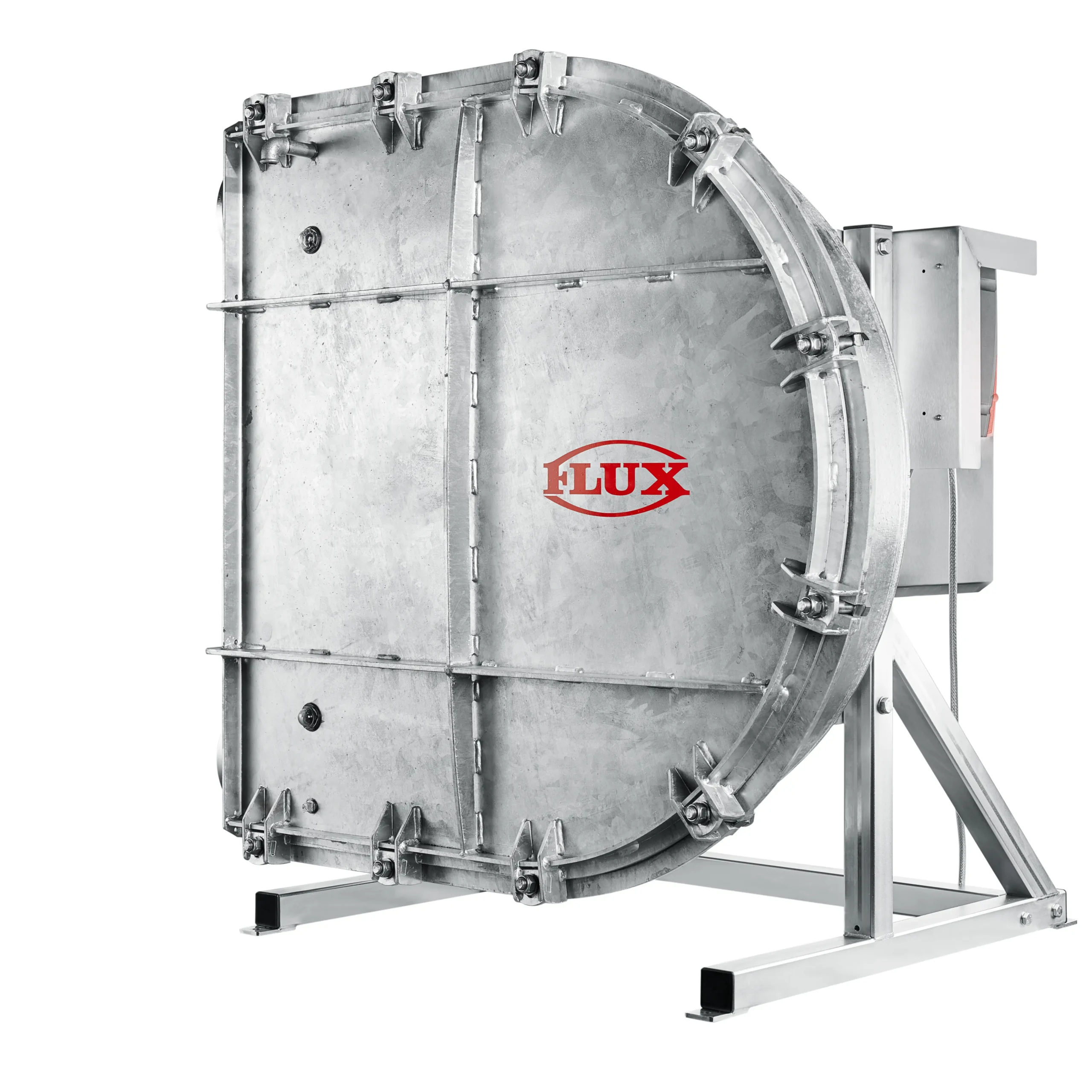
| FHP-200 | 300,000 l/h | 10 bar | 37 kW | 200 mm | Steel/ Stainless Steel | 1,800 kg |
*Note: Specifications may vary based on model and configuration.

Typical applications include:
Please call us on 01202 823304 or email sales@flux-pumps.co.uk for assistance
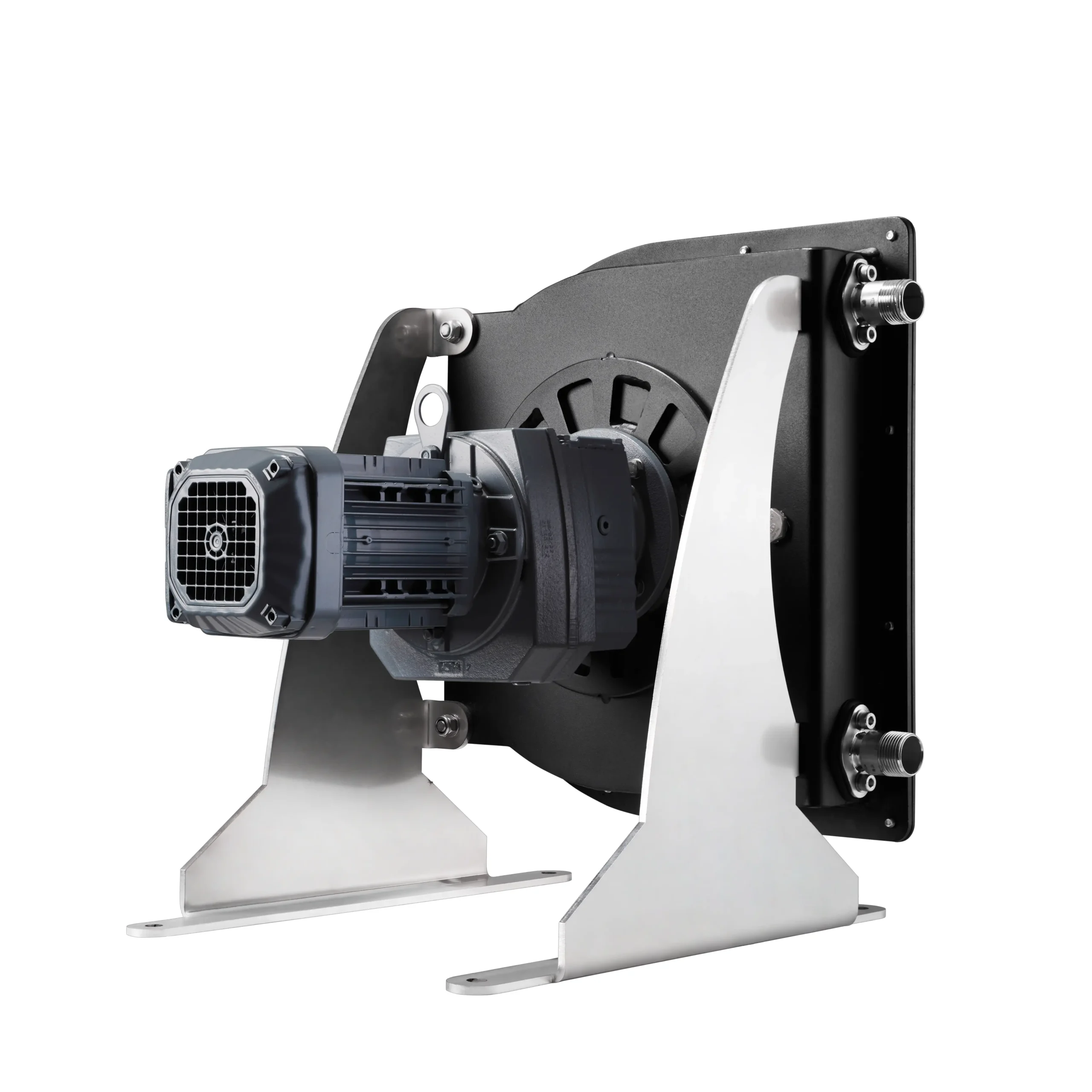
A peristaltic pump operates on the peristaltic principle, a mechanism that enables precise, gentle fluid transfer without direct contact between the pumped media and the pump's mechanical components. The core mechanical component is the rotor, which is equipped with durable twin POM rollers. As the rotor turns, the rollers sequentially compress and release a u-shaped flexible hose, creating discrete, sealed cavities that transport the fluid from the suction side of the pump to the discharge side.
This design inherently separates the media from the drive components without the use of seals, therefore eliminating contamination risks and reducing wear when pumping abrasive, or high-viscosity fluids. The volume displaced per revolution is directly proportional to the hose diameter and rotor speed, enabling accurate, repeatable flow control that is independent of the fluid’s viscosity or solid content.
Available with housings in polyurethane, steel, or stainless steel (depending on pump size), the Flux FHP can be used with both standard and FDA-compliant hoses (in NRH, NBR, EPDM materials). Therefore, hose materials are available to suit a wide variety of liquids – alkalis, oils, lubricants, slurries, waste streams and food products. Furthermore, optional features such as pulsation dampers, hose rupture sensors and frequency-controlled drives further enhance operational safety, flow stability and process reliability.

A peristaltic pump is a type of positive displacement pump that conveys fluids by cyclically compressing a flexible hose or tube. The mechanical action produces independent, sealed, fluid-filled chambers in the hose. As the rollers rotate, product is pushed through the hose in a peristaltic motion, mimicking the natural peristalsis observed in biological systems.
This versatile, gentle pumping principle allows peristaltic pumps to handle different fluids with ease – including those with high solids content, high viscosity, or shear sensitivity. Unlike centrifugal or gear pumps, peristaltic pumps do not rely on valves, seals, or impellers in contact with the fluid. Subsequently, this eliminates internal contamination and related cleaning issues, reduces mechanical wear and maintains consistent flow, regardless of changes in fluid properties. This makes these pumps particularly suitable for applications in chemical dosing, slurry transfer, food and beverage processing and wastewater treatment.

Peristaltic pumps have significant advantages when compared to competing technologies:
Essentially, yes. Peristaltic pumps are self-priming and can safely run dry for short or intermittent periods without risk of mechanical damage. Because the pumped media is fully contained within the flexible hose and does not come into contact with seals, bearings or internal pump components, the pump does not rely on the fluid for lubrication or cooling.
This makes peristaltic pumps particularly suitable for applications requiring dry suction lift, line purging, emptying pipework, or processes where air pockets may be present in the system. However, peristaltic pumps are designed for pumping liquids (and in some cases powder), not large volumes of air.
No. Peristaltic pumps are inherently self-priming and do not require manual or external priming. The peristaltic action of the rollers compressing the hose creates a strong vacuum on the suction side. This allows the pump to draw fluid upwards (up to ~ 9 m vertical) under dry suction conditions.
This capability enables reliable operation when the pump is installed above the liquid level and ensures consistent performance in systems with intermittent liquid supply, or frequent start-stop cycles. Consider installing an inlet check valve to ensure the liquid inlet pipework remains primed.
A peristaltic pump is also commonly referred to as a hose pump or, in smaller laboratory and dosing applications, a tube pump. These alternative names describe the pump’s operating principle, where fluid is conveyed through a flexible hose or tube that is mechanically compressed by rotating rollers.
In industrial environments, the term “hose pump” is often used to describe heavy-duty peristaltic pumps designed for handling abrasive slurries, viscous liquids and media with entrained solids.
The Flux peristaltic pump combines robust engineering with ease of use, making it an ideal solution for handling challenging media. Whether you're dealing with abrasive slurries, viscous fluids, food products, paints and resins or media containing solids, our peristaltic pump delivers reliable, efficient performance.
Contact us today to learn more about how we can meet your specific pumping needs. Our team is ready to assist you in selecting the right model and configuration for your application.